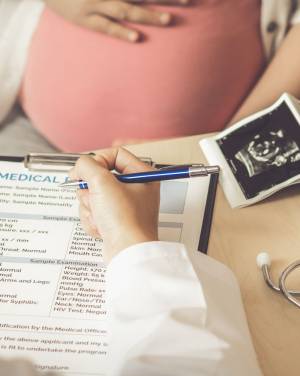

Acute Illnesses During Pregnancy
- Some illnesses that are usually harmless can pose an increased risk to the mother or the unborn baby during pregnancy.
- Most infectious diseases can be treated effectively during pregnancy. Treatment can help relieve symptoms and reduce the risk of transmitting the infection to the unborn baby.
- Sexually transmitted infections are understandably a sensitive topic for many people. During pregnancy, however, it is especially important to speak with a healthcare provider if you have questions or experience specific symptoms.
What Should You Know About Infectious Diseases During Pregnancy?
Pregnancy causes changes in the immune system. On the one hand, these changes help protect both mother and baby; on the other hand, they can make pregnant women more susceptible to certain illnesses.
Because some infectious diseases can pose a risk to an unborn baby, it is advisable to discuss any unusual symptoms or concerns with a healthcare professional as soon as possible and have them evaluated.
Some tests for common infections, such as rubella, are included in routine prenatal care—even if no symptoms are present. Tests for other conditions may only be covered by health insurance when there is a specific medical reason to suspect an infection.
You can also request certain tests yourself and pay for them out of pocket. Costs vary depending on the test but are often relatively low. Some clinics and health centers offer free testing for sexually transmitted infections.
If you have already tested positive for a particular infection, physical symptoms are often accompanied by concerns and questions. Many women wonder: Can the infection be passed on to my baby during pregnancy? In the case of sexually transmitted infections, another common question may be: How did I become infected?
You may also feel uncertain about certain symptoms because they can be difficult to interpret, leading you to wonder: Am I pregnant, or could these symptoms indicate an illness or infection?
You can read more about this here: Early Signs of Pregnancy
ℹ️ Some infections and illnesses can be uncomfortable but usually resolve on their own. Others should be treated or carefully monitored during pregnancy, as they may pose an increased risk to the mother and/or baby.
Below, we have summarized some common infectious diseases and provide guidance on what to watch for during pregnancy.
Chlamydia
What Is Chlamydia?
Chlamydia is a bacterial infection that can affect the mucous membranes of the eyes, respiratory tract, and genital area. It is one of the most common sexually transmitted infections (STIs).
When symptoms do occur, they may include pain or burning during urination, yellowish discharge, vaginal itching, and other—often nonspecific—lower abdominal symptoms. In severe cases, untreated chlamydia can lead to infertility in women if it causes inflammation and scarring of the fallopian tubes. Therefore, once a chlamydia infection has been diagnosed, it should be treated.
In many cases, however, chlamydia causes no symptoms and goes unnoticed. In some instances, the infection may also clear on its own without treatment.
Chlamydia During Pregnancy – Can It Be Passed to the Baby?
Testing for chlamydia is part of routine prenatal screening during the first weeks of pregnancy and is typically covered by health insurance.
If a chlamydia infection in the mother is left untreated, it can lead to inflammation of the ovaries and fallopian tubes. It may also increase the risk of miscarriage or premature rupture of the membranes.
The baby can become infected during childbirth. If the infection is not treated, approximately 60–70% of babies exposed to chlamydia during delivery will become infected while passing through the birth canal.
In newborns, a chlamydia infection can cause eye infections, ear infections, or pneumonia. For this reason, chlamydia should be treated as early as possible during pregnancy to help prevent transmission during birth.
Treatment for Chlamydia
A chlamydia infection should be treated with antibiotics as soon as possible. Your healthcare provider can advise you on which antibiotics are safe and appropriate at different stages of pregnancy. It is important that your partner is also treated—whether or not they have symptoms—to help prevent reinfection between partners.
Genital Warts (HPV)
What Are Genital Warts?
Genital warts are a sexually transmitted infection (STI). They are also known as condylomas or genital warts because they typically appear on the external genital area.
They are caused by human papillomavirus (HPV), which can infect the skin and alter skin cells, leading to benign growths that appear as warts. These warts are generally harmless. Genital warts can be uncomfortable and may cause itching, but they are usually not painful. Most HPV infections go unnoticed because the immune system is often able to clear the virus naturally. Many people never develop visible warts, although they can still transmit the virus to others. In other cases, the characteristic skin changes appear sooner or later.
Some HPV types—particularly HPV 16 and HPV 18—can cause cellular changes that may lead to cancer, including cervical cancer in women. When detected early, these cellular changes can usually be treated effectively.
Genital Warts During Pregnancy – Can They Be Passed to the Baby?
Based on current medical knowledge, genital warts during pregnancy are not considered dangerous to the unborn baby. Transmission of HPV to the baby during childbirth is theoretically possible, but it occurs only very rarely. If a large number of warts develop in the genital area, treatment may be recommended. In consultation with a healthcare provider, treatment is often best scheduled toward the end of pregnancy—but not immediately before delivery—to allow the skin time to heal.
Treatment of Genital Warts
Genital warts can be treated either with prescription topical medications or removed through a minor medical procedure, such as surgical removal, cauterization, or cryotherapy (freezing). Both treatment options are generally possible during pregnancy.
Without treatment, the warts usually remain present, although in some cases they may disappear on their own.
Genital Herpes
What Is Genital Herpes?
Genital herpes (Herpes genitalis) is a viral infection caused by herpes simplex virus type 1 (HSV-1) and type 2 (HSV-2).
Both viruses are primarily transmitted through direct contact with herpes blisters or sores. Most people become infected with HSV-1 during childhood.
Genital herpes, however, is most commonly caused by HSV-2. This type of herpes virus is primarily transmitted through sexual contact and is therefore considered a sexually transmitted infection (STI).
In many cases, the infection causes no symptoms. However, if the immune system is weakened, a herpes outbreak may occur, leading to itchy, painful, and fluid-filled blisters in the genital area. Other possible symptoms include vaginal discharge, fever, headaches, muscle aches, and swollen lymph nodes in the groin.
Herpes viruses remain in the body for life after infection and can cause recurrent outbreaks. However, these outbreaks usually become less frequent and less severe over time as the immune system helps keep the virus under control.
Genital Herpes During Pregnancy – Can It Be Passed to the Baby?
During pregnancy, a distinction is made between a first-time outbreak (primary infection) and a recurrence of a previous herpes infection (reactivation).
A herpes infection can be transmitted to the unborn baby. However, transmission is much less common when a previous infection reactivates than when a new herpes infection occurs during pregnancy.
A type 2 herpes infection poses a greater risk to the baby than a type 1 infection.
Because genital herpes does not always cause obvious symptoms, it is advisable during pregnancy to have any unusual skin changes in the genital area evaluated by a healthcare provider.
A cesarean delivery is usually recommended only if a woman develops an active herpes outbreak shortly before giving birth, as there is a risk that the baby could become infected during a vaginal delivery.
In babies, the infection typically appears as a blistering rash. In rare cases, herpes infection in a newborn can become life-threatening and may lead to seizures, meningitis, or breathing difficulties. For this reason, if there is concern that a newborn may have been infected during birth, antiviral medication is usually started promptly.
Breastfeeding is generally safe when the mother has a herpes infection. However, if there are active, fluid-filled blisters around the mouth, care should be taken to avoid direct contact that could transmit the virus to the baby.
Treatment of (Genital) Herpes Infection
Testing for herpes is not part of routine prenatal care. However, if a pregnant woman has symptoms suggestive of herpes, the test is typically covered by health insurance. Some clinics and health centers also offer free genital herpes testing as part of STI screening, even for people without symptoms.
To diagnose genital herpes, a healthcare provider will usually take a swab sample. This can be used to identify the specific type of herpes virus. Blood tests may also provide information about herpes antibodies.
Treatment depends on which type of herpes virus is causing the infection and on the stage of pregnancy.
A first-time genital herpes infection is usually treated with antiviral medication. This helps relieve symptoms and also reduces the risk of transmission to the baby during childbirth.
Because treatment recommendations vary depending on the situation and not all medications are suitable during pregnancy, professional medical advice is important. As with all sexually transmitted infections, it is advisable to involve the partner in treatment as well.
Particularly during the third trimester, it is important to avoid a first-time herpes infection whenever possible. Women who know they have had a previous herpes infection and are planning a pregnancy are also encouraged to support their immune system, as this may help reduce the likelihood of a recurrence during pregnancy.
Rubella
What Is Rubella?
Rubella is a viral infection that is spread through respiratory droplets. A person with rubella can be contagious even before the first symptoms appear. In addition to fever, a typical symptom is a rash with red spots. Swollen lymph nodes may also occur.
The typical signs of illness do not always appear, which means the infection can sometimes go completely unnoticed. Most people either had rubella during childhood or have been vaccinated and are therefore immune.
Rubella During Pregnancy – Can It Be Passed to the Baby?
If a woman experiences the rare occurrence of a first-time rubella infection during pregnancy, the virus can be transmitted to the baby. The risk of miscarriage or preterm birth is also increased. For this reason, one of the first routine prenatal screenings includes checking immunity to rubella, for example through a blood test.Many women are already immune due to a previous infection or vaccination. Rubella vaccination is not given during pregnancy because it may pose a risk to the unborn baby.
A first-time rubella infection is particularly concerning during the first weeks of pregnancy because the virus can be transmitted to the unborn baby through the placenta. The earlier the infection occurs, the greater the risk of miscarriage or preterm birth. Because organ development is still underway at this stage, there is also a risk of damage to organs such as the heart, eyes, and ears. After week 11 of pregnancy, the likelihood of transmission decreases significantly, and after week 20, serious effects on the baby are rarely reported.However, even when a woman becomes infected during the first weeks of pregnancy, not every rubella infection results in harm to the embryo. Experience has shown that babies can be born completely healthy despite maternal rubella infection. Some women may not even notice that they are infected. If rubella is diagnosed during the first weeks of pregnancy, closer monitoring and individualized medical care can help determine the most appropriate management options.
Vaginal Yeast Infection
Signs of a Vaginal Yeast Infection
Vaginal yeast infections are quite common. They are caused by yeast fungi that naturally occur on the skin. The immune system normally keeps them from multiplying excessively. Hormonal changes, such as those that occur during pregnancy, can alter the balance of the vaginal environment and allow yeast to grow more easily. A vaginal yeast infection may cause itching, burning, a whitish, crumbly discharge, inflammation in the genital area, and pain during sexual intercourse or urination. A yeast infection can usually be treated quickly and easily, and symptoms often disappear after a short time.
Yeast Infection During Pregnancy – Can It Be Passed to the Baby?
During pregnancy, estrogen levels in a woman's body are particularly high. These hormonal changes can affect the immune system and alter the vaginal flora. As a result, yeast infections may occur more frequently. However, they usually do not cause severe symptoms, and a vaginal yeast infection is generally not dangerous for the unborn baby. However, infections of the vagina are generally associated with a slightly increased risk of preterm labor, miscarriage, and premature birth. If the baby becomes infected during birth, it may develop a yeast infection of the mouth and throat (known as oral thrush) or diaper dermatitis. Both conditions can usually be treated successfully.
A yeast infection can be dangerous for premature babies with a birth weight below 1,500 grams (3.3 pounds). Because their immune systems are not yet fully developed, they are at increased risk of developing Candida sepsis, a serious condition in which yeast spreads to multiple organs. In such cases, immediate treatment in a hospital is necessary.
Treatment for a Vaginal Yeast Infection
When treating a vaginal yeast infection, it is important to discuss with a healthcare provider whether medication is necessary and appropriate during pregnancy. Oral antifungal medications are generally not recommended for pregnant women. In many cases, a short course of treatment with vaginal suppositories or topical creams is sufficient. If a woman is prone to yeast infections, preventive measures may help. It is advisable to wear breathable cotton underwear and avoid scented soaps or creams, which can further irritate the skin.
Group B Streptococcus (GBS)
What Are Streptococci?
Streptococci are bacteria that can be transmitted through respiratory droplets or direct contact. There are different types of streptococci, which can cause different illnesses. In most healthy people, an infection does not cause any problems. In some cases—especially in people with weakened immune systems—certain streptococcal infections can lead to serious health complications and require treatment. Group B Streptococcus (GBS) can be particularly dangerous for newborns because it may cause infections such as newborn sepsis (a bloodstream infection in a newborn).
Group B Streptococcus During Pregnancy – Can It Be Passed to the Baby?
If a pregnant woman has a Group B Streptococcus (GBS) infection in the vagina, the baby can become infected before or during birth. During childbirth, GBS can be transmitted to the baby through the amniotic fluid or the birth canal. Premature babies and babies with a low birth weight are most commonly affected. Premature rupture of membranes or maternal fever during labor may further increase the risk.
If transmission occurs before birth, the infection usually becomes apparent within the first seven days of life—often immediately after delivery.
If the baby becomes infected during birth, symptoms may develop somewhat later, during the first weeks of life.
In the most severe cases, the newborn may develop sepsis, meningitis, or pneumonia.
Fortunately, only a small percentage of babies develop a serious infection.
Treatment for Group B Streptococcus
Group B Streptococcus can be detected in pregnant women through a swab taken from the vagina and/or rectum.
Testing is most useful near the end of pregnancy (between weeks 35 and 37) to help prevent transmission during childbirth.
If an infection is suspected, the test is generally covered by health insurance. Some health insurance providers also cover the test as part of routine prenatal care, even without specific symptoms or suspicion of infection. Women can ask their healthcare provider or insurance company about coverage. For those paying out of pocket, the test typically costs between €20 and €40.
If a Group B Streptococcus infection is detected near the end of pregnancy, the mother is treated with antibiotics during labor. Treatment earlier in pregnancy is usually not effective because the bacteria often remain in the body, and the baby can still become infected during childbirth. If the mother is known to have a GBS infection, the baby will be monitored especially closely during the first days after birth. If the baby develops a fever or other symptoms, the healthcare provider can determine whether antibiotic treatment is necessary.
Toxoplasmosis
Symptoms of Toxoplasmosis
Toxoplasmosis is a disease caused by parasites. Infection most commonly occurs through contact with cats or by eating raw or undercooked meat. In people with a healthy immune system, however, the infection is almost always harmless and often goes unnoticed. If symptoms are absent or only mild, treatment is usually not necessary. If symptoms do occur, they are often flu-like and may include headaches, sore throat, fever, muscle aches, fatigue, and swollen lymph nodes.
Toxoplasmosis During Pregnancy – Can It Be Passed to the Baby?
A first-time toxoplasmosis infection during pregnancy can result in the parasite being transmitted to the baby, because the mother has not yet developed antibodies. In this situation, there is a risk of miscarriage or illness in the child.
In many cases, illness in the baby is mild. In some cases, however, symptoms may occur that require treatment. For example, a newborn may develop jaundice or fluid accumulation in the abdomen; more rarely, serious complications such as heart failure can occur.
If the mother becomes infected for the first time early in pregnancy, the risk of transmission to the unborn baby is lower. As pregnancy progresses, the likelihood of transmission increases—while at the same time, the severity of illness in the baby generally decreases.
Treatment for Toxoplasmosis
Toxoplasmosis testing is not part of routine prenatal screening. The test is usually covered by health insurance only when there is a suspected infection. For those paying out of pocket, a blood test for toxoplasmosis typically costs between €17 and €21. Blood testing can also determine whether the infection is recent or occurred in the past.
If an acute toxoplasmosis infection is diagnosed in the mother, treatment with appropriate medication is started. In consultation with a healthcare provider, the pregnancy may be monitored more closely to ensure the baby's well-being. To rule out complications, the doctor may perform regular ultrasound examinations.
A baby who was infected in the womb can also be treated with specialized medications after birth.
To help prevent toxoplasmosis during pregnancy, it is recommended to avoid raw or undercooked meat, wash raw fruits and vegetables thoroughly, be cautious when handling cats, and wash hands carefully before eating—especially after gardening or after visiting playgrounds and sandboxes.
Chickenpox
What Is Chickenpox?
Chickenpox is the primary infection caused by the varicella-zoster virus (VZV). It is highly contagious and typically causes a characteristic rash that appears across the body. Fever, headaches, and body aches may also occur.
Most people become infected during childhood and are therefore immune as adults.
Chickenpox During Pregnancy – Can It Be Passed to the Baby?
For most women, the initial infection occurred during childhood, so they do not need to worry about contracting chickenpox during pregnancy. If immunity is not present, pregnant women are advised to avoid contact with infected individuals whenever possible.
The risk of transmission to the unborn baby generally exists only when a pregnant woman develops chickenpox for the first time during pregnancy.
If a woman contracts chickenpox for the first time while pregnant, the baby can become infected in the womb. Transmission can also occur during childbirth.
The timing of the initial infection is critical. The most sensitive periods are the first 24 weeks of pregnancy and the time immediately before or after birth. If the mother develops chickenpox during the first 24 weeks of pregnancy, the unborn baby may become infected in the womb. In rare cases, this can result in serious complications, including birth defects affecting the skin, eyes, and skeleton, or neurological damage.
An infection shortly before or after birth should also be monitored carefully—especially in premature babies—because in severe cases it can lead to encephalitis (brain inflammation) or pneumonia in the newborn, which may become life-threatening.
However, the course of the illness is usually mild in otherwise healthy newborns. They may develop a rash, but treatment is often unnecessary, and the infection is simply monitored until it resolves on its own.
Treatment for Chickenpox
A blood test to check immunity to chickenpox is not included in routine prenatal screening. However, some health insurance providers may cover the cost if there has been a potential exposure. It is best to ask your healthcare provider or insurance company.
If infection occurs, doctors can usually recognize chickenpox immediately based on its characteristic rash.
Most cases of chickenpox are treated only with creams or lotions to relieve itching while waiting for the infection to resolve naturally.
If treatment of the mother is necessary during pregnancy, antiviral medications or a specialized antibody treatment (known as an antiserum) may be used. The most appropriate treatment should be discussed with a healthcare provider.
If an infection could be dangerous for a newborn immediately after birth, the baby will be monitored closely and treated with antiviral medication if necessary.
Cytomegalovirus (CMV)
What Is Cytomegalovirus?
Cytomegalovirus (CMV) is a virus that belongs to the herpes virus family. It can be transmitted through bodily fluids such as saliva, semen, urine, blood, and breast milk. In most cases, infection causes few or no noticeable symptoms. When symptoms do occur, they are usually similar to those of a mild flu, such as fatigue, fever, and cough. As a result, CMV often goes undetected. Like all herpes viruses, CMV remains in the body for life and can reactivate periodically.
Cytomegalovirus (CMV) During Pregnancy – Risk of Transmission and Effects on the Baby
A first-time CMV infection during pregnancy is uncommon, but it can pose some risk to the baby. Reinfection is also possible, which means CMV can occur during a second, third, or later pregnancy as well. It is important to avoid a first-time CMV infection during pregnancy whenever possible. If a pregnant woman contracts CMV for the first time, there is a risk that the virus can be transmitted to the baby.
An infection is most concerning during the first trimester of pregnancy. If the virus is transmitted during this period, there is an increased risk of organ damage or developmental problems. Because hearing or vision problems can sometimes develop later, children with confirmed CMV infection are monitored regularly. In most cases, however, CMV infection has no lasting effects on the child. Babies are born completely healthy.
Treatment of Cytomegalovirus
CMV can be detected through a blood test. This test is not included as a standard health insurance-covered prenatal screening, which means pregnant women without symptoms usually need to pay for it themselves. The cost is typically between €17 and €20.
There is no universally established treatment for CMV. Therefore, prevention is especially important during pregnancy, including measures such as frequent handwashing.
Because the virus can also be transmitted through breastfeeding, women with confirmed CMV infection may choose to avoid breastfeeding as a precaution or boil expressed breast milk before feeding it to the baby.
 2043915227 | fizkes | shutterstock.com
Some symptoms can be concerning at first—for both your health and your baby's. Fortunately, with timely medical care, effective treatment is usually available.
Still Have Questions or Concerns?
Do you have additional questions about illnesses during pregnancy?
- In our article Pregnancy and Chronic Illness, you'll find tips and guidance for managing chronic conditions during pregnancy, as well as Autoimmune Disease and Pregnancy
Have you been diagnosed with a medical condition and are now worried that your baby might be affected? Are you facing different medical tests and wondering what they mean?
- find out when you should see an OB-GYN during pregnancy.
Are you not sure whether you're pregnant and wondering whether your symptoms could be signs of pregnancy or caused by an illness instead? Read more here: